

#167 What inspired you?
...and design that's as clear as a bell 🔔
Hello! This week I’m sharing some thoughts on the never-ending taste discourse and ask whether we should be talking more about inspiration instead. And we’ll be taking a look at a sonorous 2017 project by legendary designer Oki Sato. Enjoy.
Something to think about: Everyone is talking about taste, but no-one is talking about inspiration.
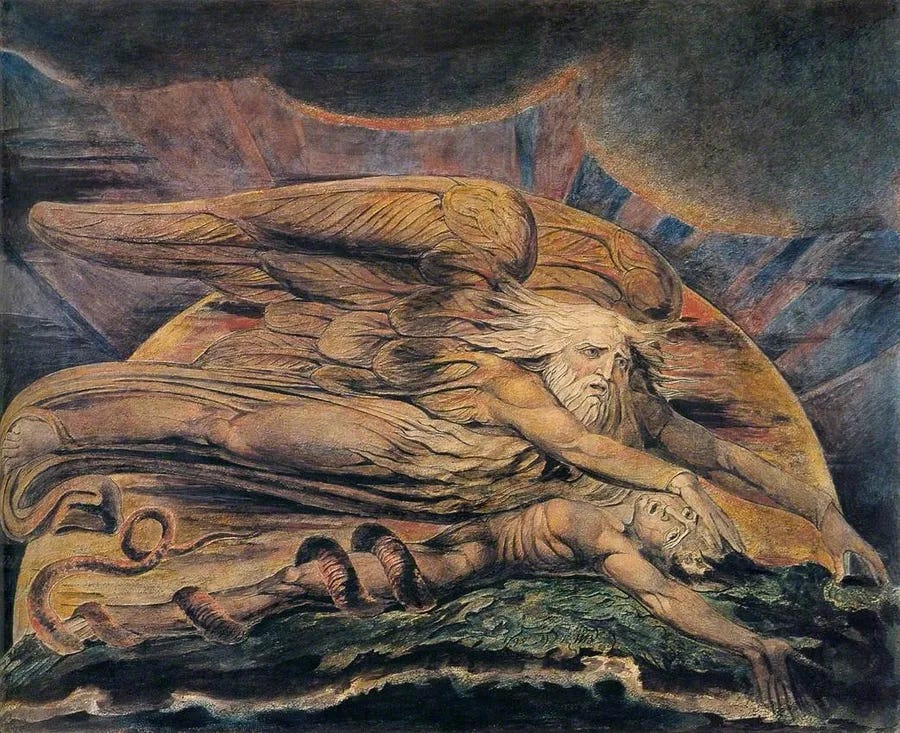
Taste discourse has been bouncing around the internet for a few years now, to the point I must confess that I’ve grown rather weary of it. Taste gets talked about as though it were the highest creative faculty: the one thing the machines will never be able to take from us. The one thing, no less, we’ll need if we want to have a job in a few years. And perhaps that is true. But I sometimes think the conversation about taste is circling around something deeper and more elusive. Taste might be important, but ultimately is just the visible trace of a person having paid deep attention to the world: having loved certain things, admired certain people, returned obsessively to certain works, and slowly been shaped by them. In other words, someone who has been inspired.
Being inspired is fundamentally different from copying something. It comes from the Latin spiro — I breathe. To be inspired is not simply to encounter something and reproduce its surface features. It is to feel yourself expanded by it, literally breathed into. Something you admire enters your system and changes your inner weather and your sense of what is possible. In that heightened state, you are moved to make something new. That is why inspiration has a respectful quality, unlike copying. You do not copy something you truly love; you respond to it. The new work may carry a trace of the old one, but it has been chemically transformed by your emotional response on the way through.
This is one reason so much AI output feels so mid. An AI, unlike a human, can’t really be changed by what they encounter. They can’t be humbled by greatness, thrilled by a detail, haunted by a line, obsessed with solving a problem for years. And so without any of that passion their output will always ring slightly hollow.
The best human work carries in it that unique mix of our past encounters with things we loved—a quality we abbreviate as the word taste. It’s this truth that bothers me a bit about the online taste discourse overall, so many people seem to want to shortcut or hack the process of being inspired in favour of some kind of executive summary. Not only does it not work like that, it just seems so sad.
So my invitation to you this week is to step back from the question of whether you possess taste or not and instead go a level deeper and ask yourself if we have felt inspired lately. That’s the bit that really matters.
Design takeaway: What inspired you lately?
✏️ I’ve always liked Ken Kocienda’s definition of taste
Something nice: Suzu cloche jars
Oki Sato, founder of the Tokyo-based Studio Nendo, is a designer’s designer. Admired for his minimal and often whimsical translations of everyday objects, his work always looks askance at a design challenge to reveal something interesting that was hiding in plain sight.
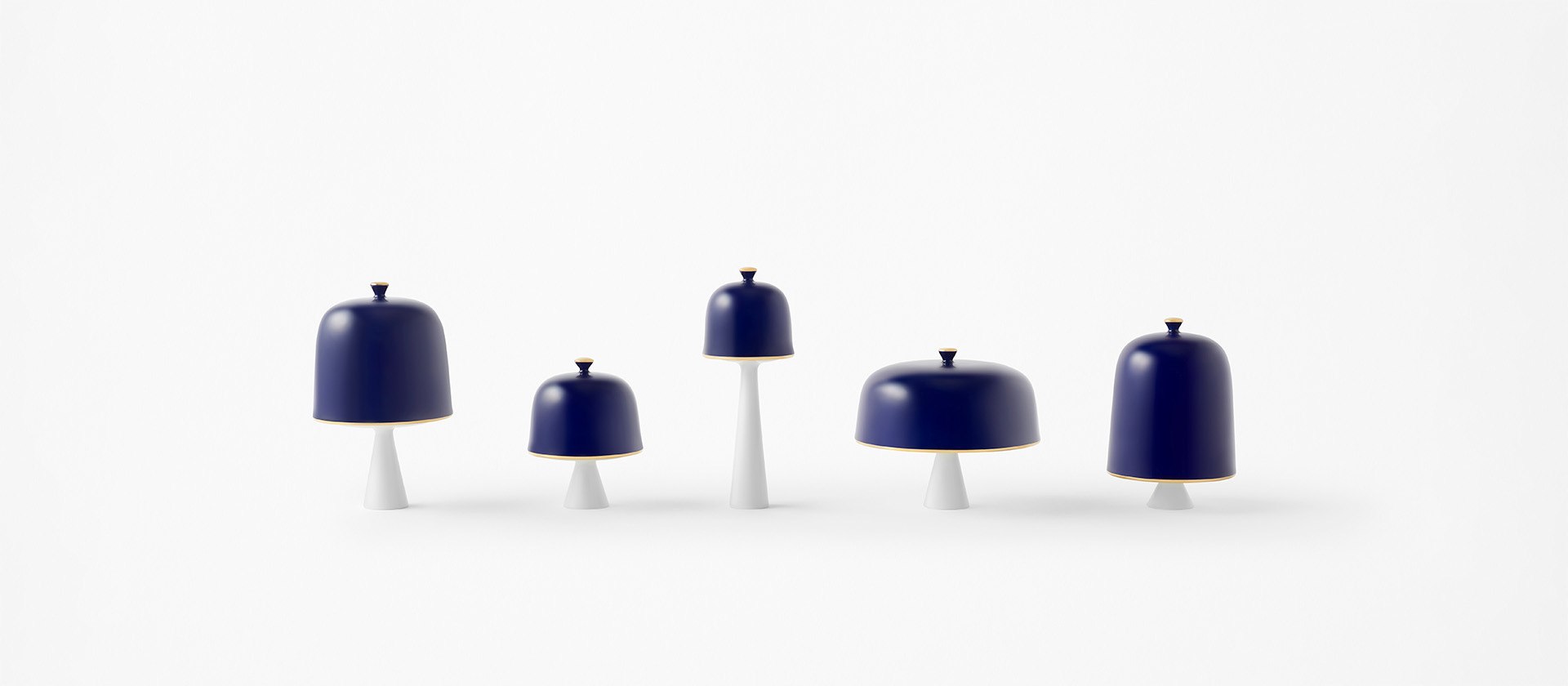
Suzu is a family of porcelain cloche jars designed by Nendo for historic French porcelain manufacturer Sèvres in 2017. During the design process Sato learned about the tradition of checking porcelain quality by listening to its sound—when lightly struck, the finest and most even pieces ring very clearly. This idea became the driving concept for a family of jars. Each lid is designed to sound like a bell when lifted, which is why they are called suzu — the Japanese word for bell.
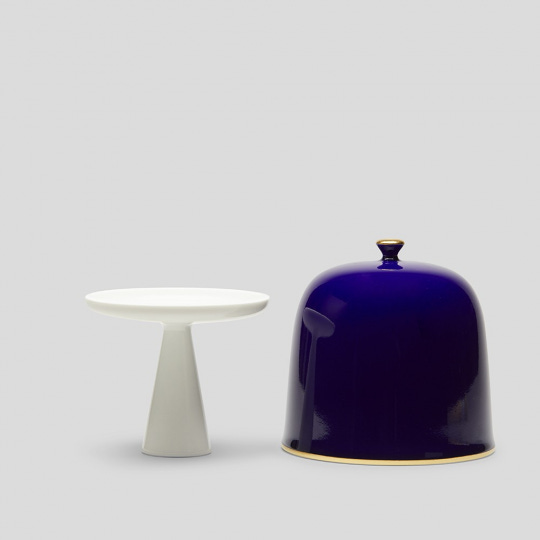
Sato leans into the concept further by giving a bell-like quality to each container. With the little push button handle at the top they echo an old-fashioned hotel concierge bell that’s been magically enlarged. Their dark blue colour – known as Bleu de Roi, or royal blue – is a characteristic colour of the Sèvres manufactory and gestures at the history whilst being unmistakably contemporary.
Design takeaway: What design choices are hiding in plain sight in your current project?
🛎️ I looked everywhere online for video of the jars ringing but had no luck. Here is someone tapping porcelain spoons to give you some idea of what they might sound like.

Enjoying Design Lobster? Share it with a friend, colleague or fellow designer.
What I’ve been reading
The further a tool is from the real human outcome, the more invisible it should be. The drill doesn’t ask how you’re enjoying your experience drilling. It doesn’t upsell you on premium hole-making. It exists to disappear the moment it’s done its job.
I meant to link to this piece back in January but it got buried in my draft folder. Brings a nice historical perspective to the question of how we ended up with such intrusive everyday software, and how we can calm things down again.
Brand is what's left when the substantive differences between products disappear. But making the substantive differences between products disappear is what technology naturally tends to do. So what happened to the Swiss watch industry is not merely an interesting outlier. It's very much a story of our times.
Paul’s essays are always worth reading, even if I don’t agree fully with the argument in this one (the best rebuttal I’ve seen is here). Everyone is trying to figure out where the value lies in software now that AI has made coding much cheaper and this is an important contribution to that debate.
Sometimes, the diagrams resemble sundials or celestial charts (one of the earliest forms of data visualization?) which lend their bureaucratic content an incongruously mystical authority. Other times, the data feels almost architectural: a curving plane reminds me of an abacus and blades of grass sprout from a vessel of numbers.
More of a visual feast but I had to share the most recent contribution from the Casual Archivist blog. Plenty here to inspire you if you have been lacking material.
Have an inspiring week,
Ben 🦞
Enjoyed this week’s Design Lobster? Let me know by clicking the heart button ❤️
👇
<3
I love your words about being inspired. I have created many guitar arrangements for myself across many genres and I generally feel inspired to respond to great music rather than just learning it, although in some cases I might learn it first before I come up with something of my own. Creation in music is far more satisfying, and it means you don't have to play it the same way twice unless you want to.